
Refine Results
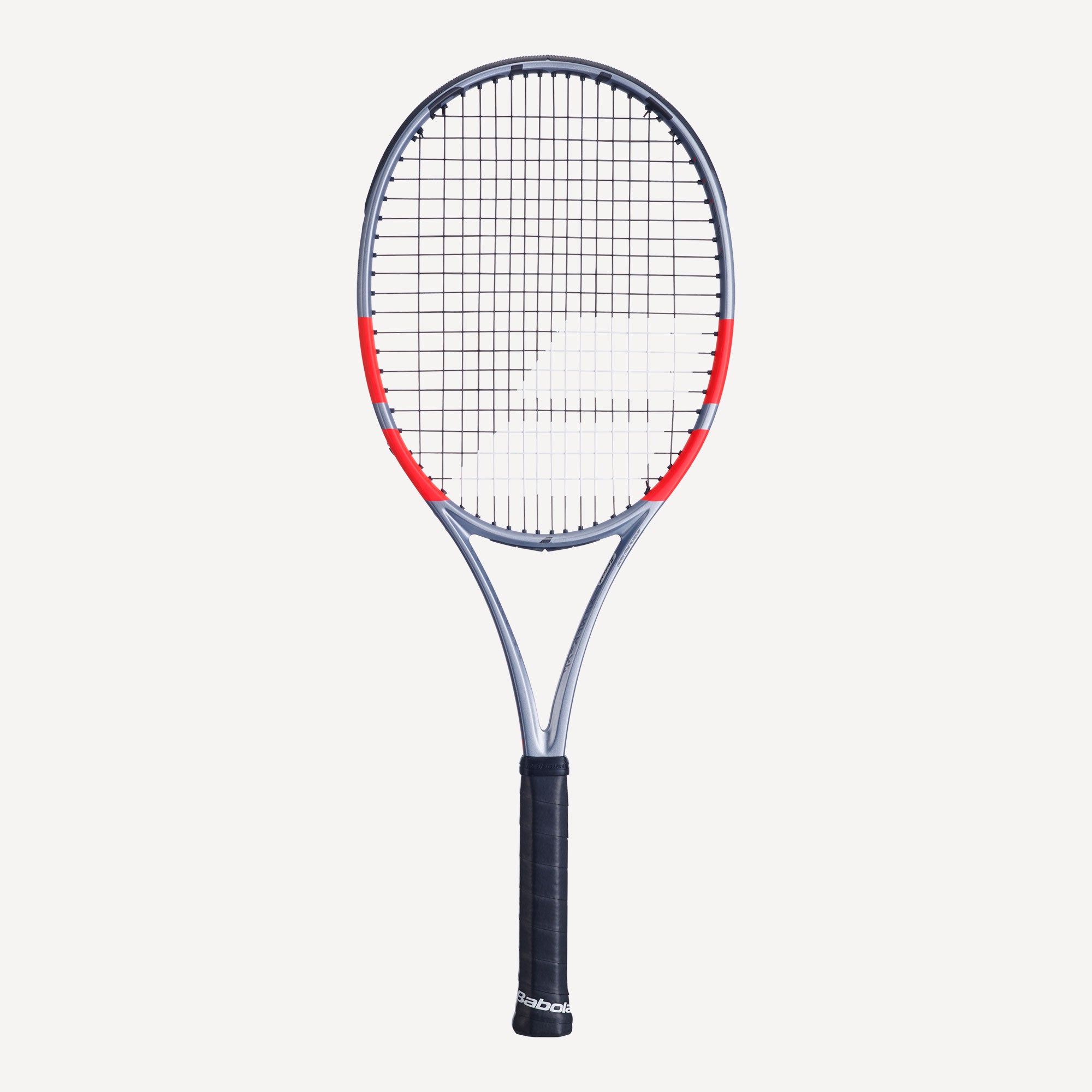
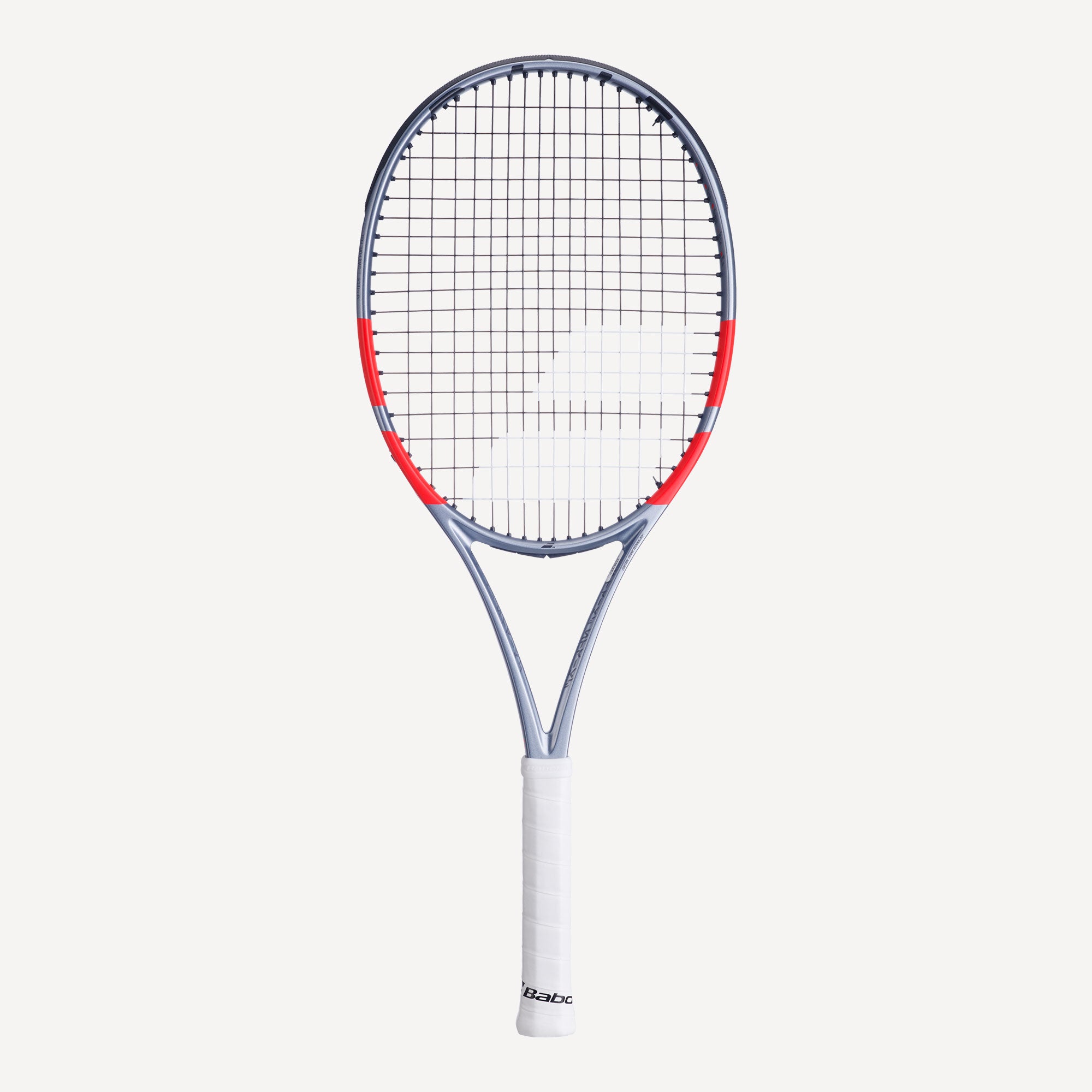
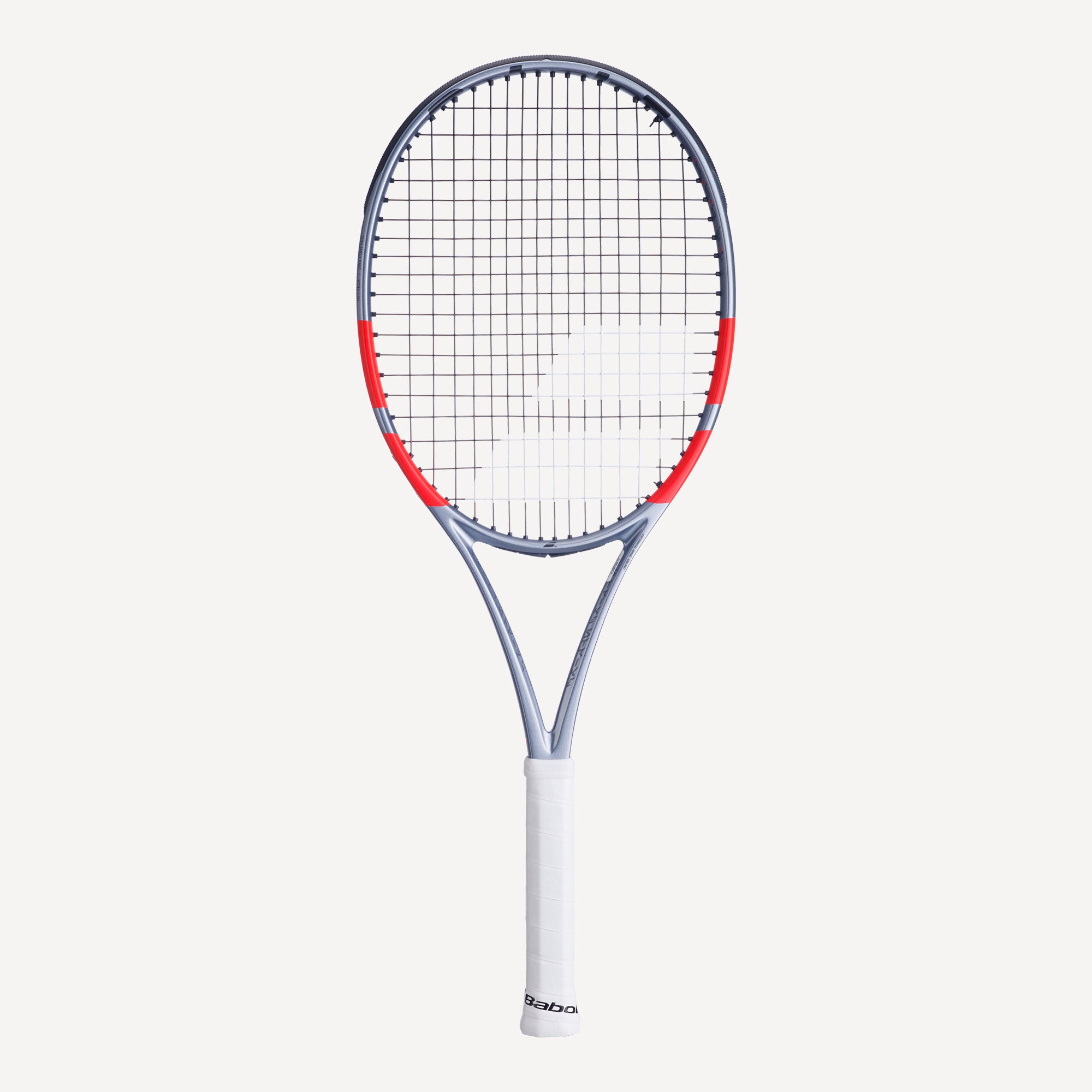
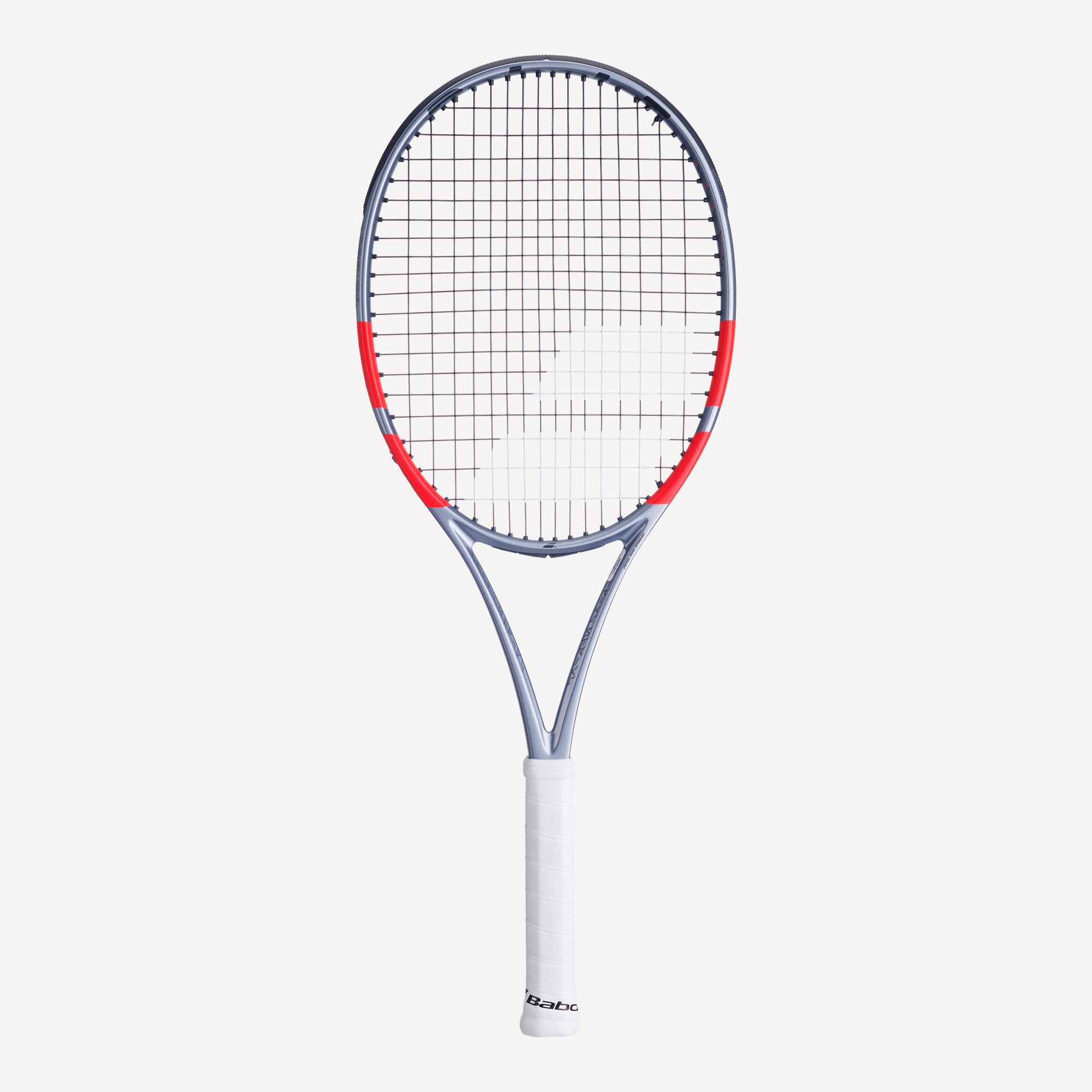
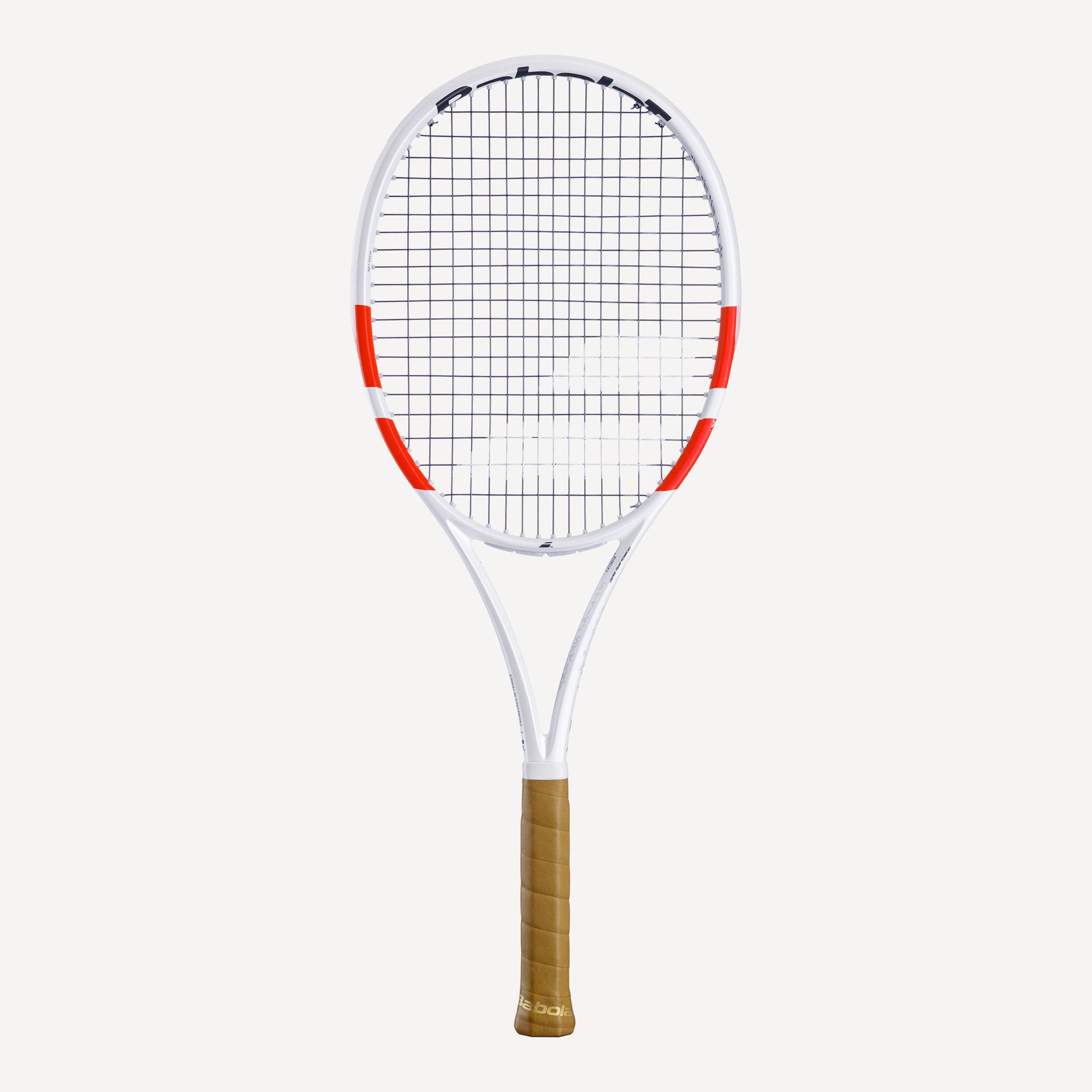
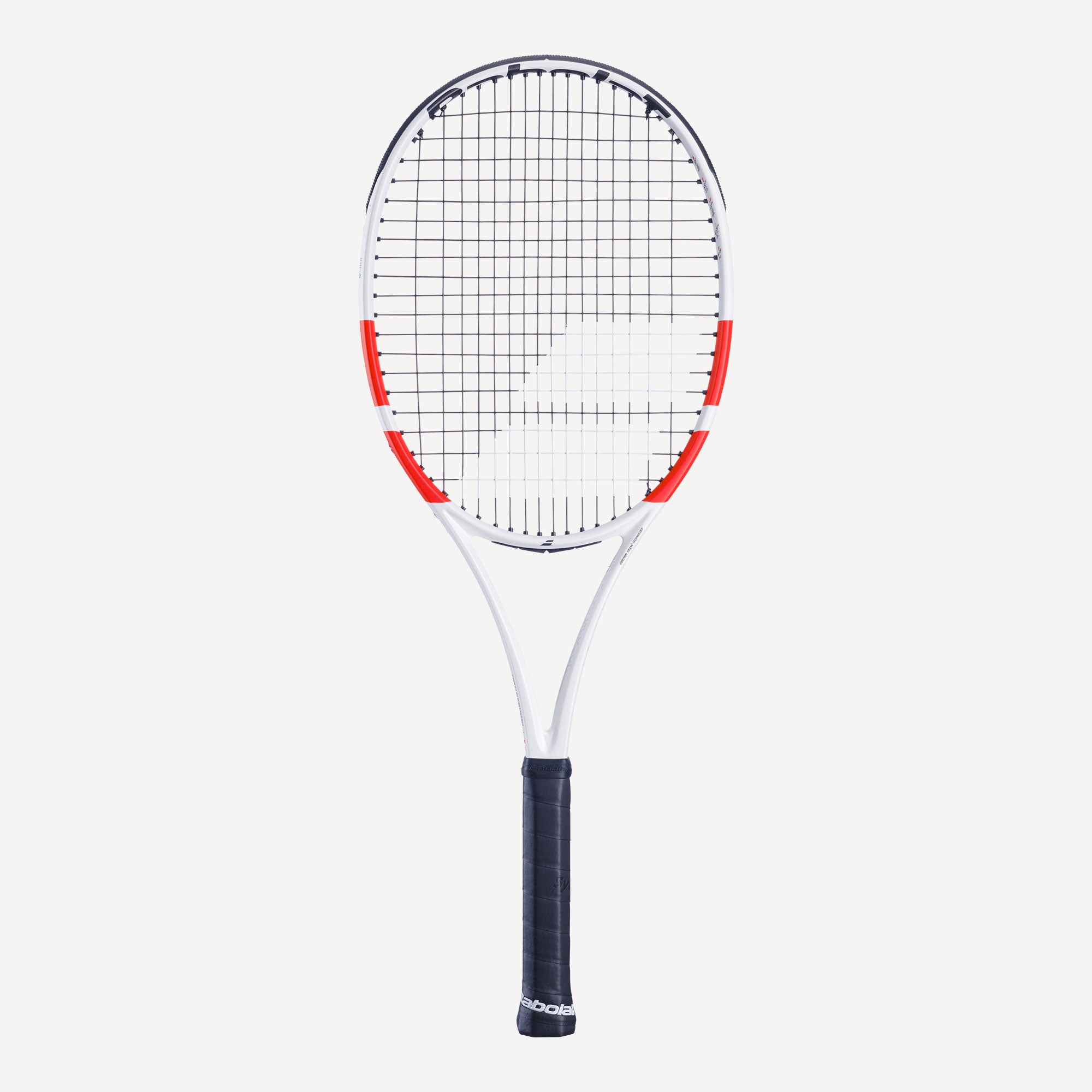
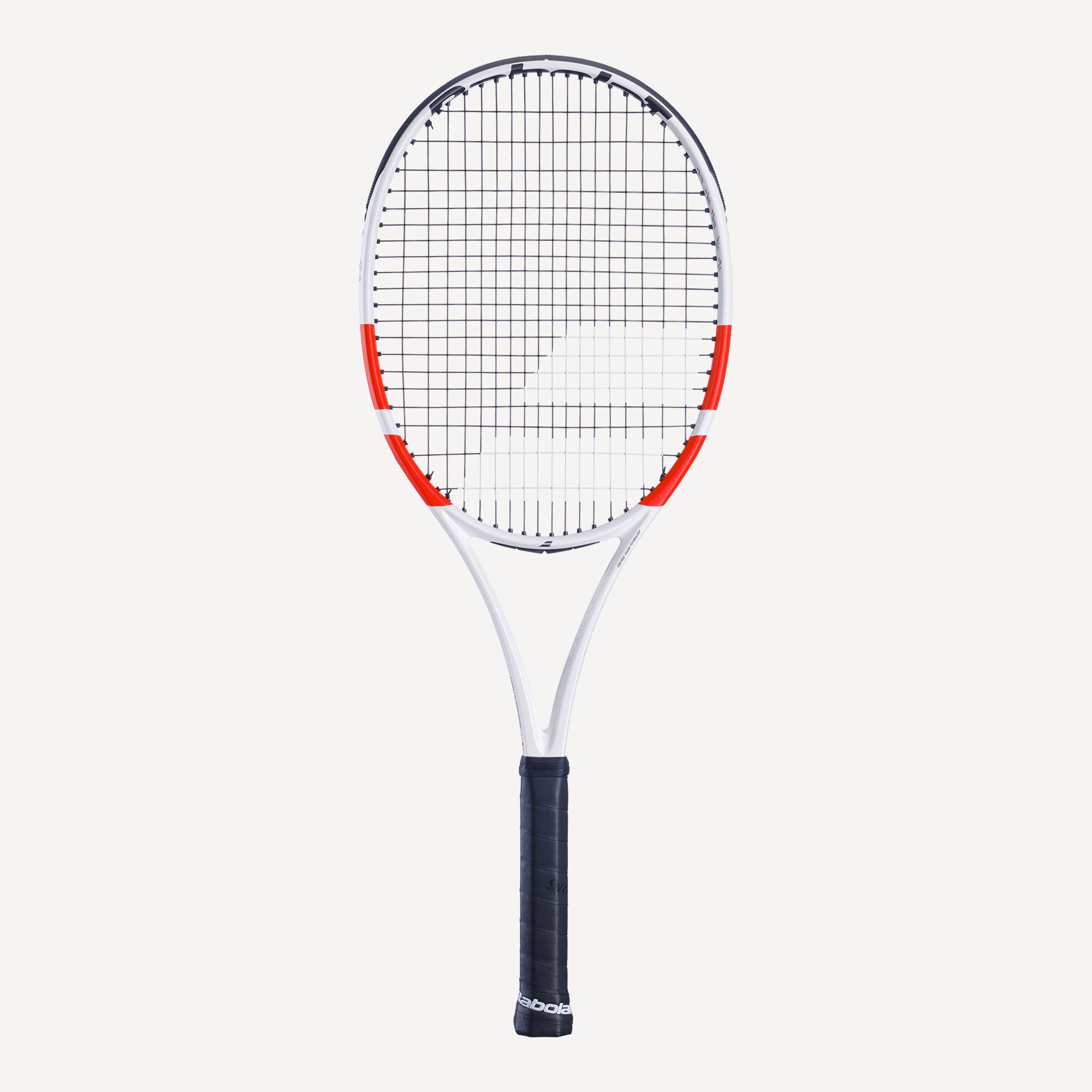
A boxy frame that is thinner than on the Pure Drive and Pure Aero, a stable feel at impact, and plenty of control over where the ball lands: that is what defines the Babolat Pure Strike. Every version is control-oriented, so you get the most out of it when you already generate enough power yourself and mainly want to decide where you place the ball. The Pure Strike series includes five models of 300 g or more. Differences in head size, string pattern, balance point, and weight determine how each model plays compared to the others. The family also includes two lighter models. Most versions come in two designs, the 4th Gen and the Carbon Grey; technically, they are exactly the same. Looking for more spin or easy power instead? Our Babolat tennis rackets also include the Pure Aero and Pure Drive.
Pure Strike 100, 98, or 97: which one suits you?
The Pure Strike 100 (300 g) is the most accessible of these three. Its 100 sq in head offers a bit more forgiveness when you don’t hit the ball exactly in the center, while the frame has the same 21-23-21 mm beam as the 98 versions and the lighter models, so you keep the direct feel of control.
The Pure Strike 98 weighs 305 g and has a slightly smaller head. You give up a little ease and power, but gain precision and control: a version for when you mainly want to place the ball accurately and are looking for a bit more stability than the 100 can offer.
The Pure Strike 97 is the heaviest at 310 g and has the smallest head. With a 31.0 cm balance, it still feels maneuverable despite the weight. Its 21-22-21 mm beam is slightly thinner than the other Pure Strike rackets in the family. Together, these specs make the 97 the version with the most control, but also the one that asks the most of your technique and timing.
Looking for the Pure Strike feel in a lighter racket? The Team (285 g) and Lite (265 g) have the same head size and 16x19 string pattern as the Pure Strike 100, but they are easier to swing. That can help your timing, and your arm gets tired less quickly if you notice that with heavier rackets.
16x19, 16x20, or 18x20: which string pattern do you choose?
With the Pure Strike, you don’t just choose a model based on head size and weight; there are often string pattern options too. With an open pattern (16x19), the strings move more, making it easier to add spin and pace to the ball. With a denser pattern (16x20 or 18x20), the strings stay in place better: the ball comes off the string bed lower and more predictably, but you have to generate more spin and power yourself.
With the 100, you choose between 16x19 and 16x20. Note: the 100 16x20 is also slightly heavier (305 g) and has a lower balance (31.0 cm) than the regular 100. With the 98, you choose between 16x19 and 18x20; otherwise, the two are identical. The 97 always has 16x20. Read more about string patterns and tension in our string guide.
| Version | Weight (unstrung) |
Balance | Head size | String pattern | Racket group |
|---|---|---|---|---|---|
| Pure Strike 97 | 310 g | 31.0 cm | 97 sq in | 16x20 | 4 (Medium-Heavy) |
| Pure Strike 98 16x19 | 305 g | 32.0 cm | 98 sq in | 16x19 | 4 (Medium-Heavy) |
| Pure Strike 98 18x20 | 305 g | 32.0 cm | 98 sq in | 18x20 | 4 (Medium-Heavy) |
| Pure Strike 100 | 300 g | 32.0 cm | 100 sq in | 16x19 | 4 (Medium-Heavy) |
| Pure Strike 100 16x20 | 305 g | 31.0 cm | 100 sq in | 16x20 | 4 (Medium-Heavy) |
| Pure Strike Team | 285 g | 32.5 cm | 100 sq in | 16x19 | 3 (Medium) |
| Pure Strike Lite | 265 g | 33.0 cm | 100 sq in | 16x19 | 2 (Light-Medium) |
Torn between two versions or two string patterns? With our demo service, you can easily test the rackets on court first.